Enjoy cozy discounts on selected items! Shop Now!

The Art of Cozy Small-Space Living: Designing a Home That Feels Calm, Intentional, and Deeply Comforting
5/16/202613 min read
How to create warmth, peace, and emotional comfort in tiny homes, apartments, vans, and compact spaces — without clutter.
Introduction: Why We’re Craving Cozy More Than Ever
There’s a reason so many people are turning toward smaller, softer, and more intentional ways of living. For years, bigger was seen as better — bigger homes, bigger wardrobes, bigger kitchens, more storage, more things, and more space to fill. But somewhere along the way, many homes stopped feeling restful. Rooms became crowded, schedules became overwhelming, and spaces slowly turned into places filled with visual noise rather than comfort. And even when life looked “full,” something still felt missing. Tat’s why cozy living resonates so deeply now. Not because people suddenly want less comfort. But because they want more meaning. They want homes that feel calming instead of overstimulating. Spaces that support slow mornings. Corners that invite rest. Rooms that make everyday life feel softer. And surprisingly, many people are discovering that smaller spaces often do this best. Tiny homes, small apartments, minimalist studios, cozy camper vans, and cabins tucked into nature all share something important in common: they encourage intentionality. In smaller spaces, every object matters more, every texture shapes the atmosphere, and every design decision affects how the space feels emotionally. These spaces force intentionality. Eery object matters. Eery texture matters. Every design choice shapes how the space feels emotionally. That’s the beauty of cozy small-space living. I isn’t about limitation. It’s about connection. Connection to your routines. Connection to your environment. Connection to simplicity. And once you begin designing for feeling instead of appearance alone, your entire relationship with home changes. This is the art of cozy intentional living.
1. Cozy Isn’t a Style — It’s a Feeling
Many people think cozy design is about aesthetics. Natural colors. Cudly blankets. Warm lighting. And while those things help, coziness runs deeper than décor. Real coziness is emotional. It’s the feeling of walking into a room and immediately relaxing, the softness of warm light at the end of a long day, and the comfort of a slow morning coffee in a quiet corner. More than anything, it’s the sense that your space supports you instead of draining you. That’s why some expensive homes still feel cold. And why some tiny apartments feel incredibly peaceful. Coziness comes from intentional design. It comes from:
visual calm
warmth
softness
simplicity
emotional comfort
natural textures
gentle routines
A cozy home doesn’t need to impress people. It needs to hold you. And that changes how you decorate. Instead of asking:
“What looks trendy?”
You begin asking:
“How do I want this space to feel?”
That single shift changes everything.
2. Why Small Spaces Often Feel More Meaningful
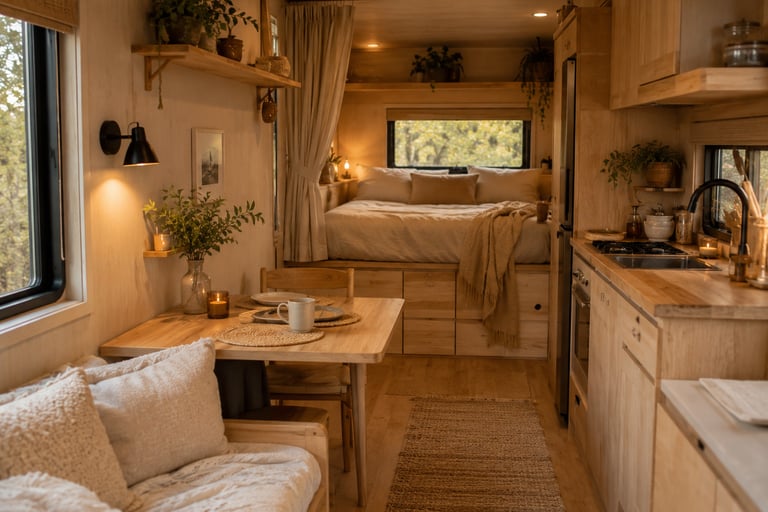
There’s something deeply grounding about a smaller space. It invites awareness. In a large home, it’s easy to accumulate things without noticing. Used furniture. Decor that means nothing. Storage bins filled with forgotten items. But in a smaller space, every object becomes visible. Every item takes up emotional and physical space. This naturally encourages intentional living. You choose more carefully. You keep what matters. You edit constantly. And slowly, your home begins reflecting your real life instead of an imagined one. That’s one reason tiny homes, studio apartments, and van life have become so emotionally appealing. They simplify decisions. They reduce visual overwhelm. They encourage slower living. Small spaces come with challenges too. Storage becomes important. Cutter becomes more noticeable. Lighting matters more. Flow matters more. But these limitations often create better design. You stop designing for excess. And start designing for comfort.
Simple Finds to Create This Feeling
A warm ambient table lamp can instantly soften a small space and make evenings feel calmer and more inviting. Soft LED fairy lights help create gentle layered lighting without overwhelming the room, while minimal ceramic candle holders add warmth and texture in a subtle, uncluttered way. Rechargeable warm-glow lamps work beautifully in cozy corners or van interiors where flexibility matters, and linen lampshade floor lamps help create a softer, more relaxed atmosphere throughout the home.
3. The Psychology of Warm Lighting
Lighting changes how a space feels more than almost anything else. A beautifully designed room with harsh white lighting can instantly feel clinical. A simple room with soft warm light can feel deeply comforting. This matters especially in small spaces. Because lighting doesn’t just affect visibility. It affects mood. Energy. Stress. Warm lighting tells the nervous system it’s safe to relax. Cool lighting increases alertness. That’s why cozy homes rarely rely on one bright ceiling light. Instead, they use layers:
table lamps
soft ambient lighting
candles
fairy lights
wall sconces
warm bedside lamps
This creates softness and depth. It also allows your home to transition with the day. Morning light feels bright and energizing. Evening light becomes softer and calmer. These small shifts matter emotionally. A cozy home supports your body’s natural rhythms. That’s part of what makes it feel restorative.
Cozy Texture Essentials
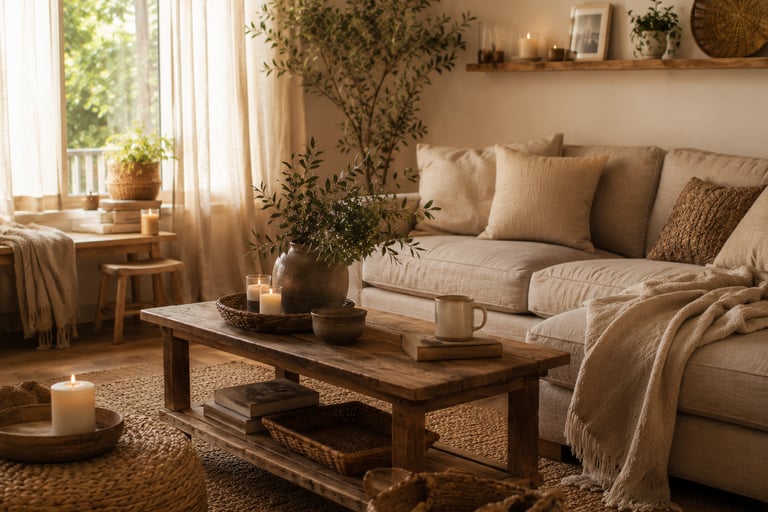
Texture is one of the easiest ways to make a minimalist space feel emotionally warm. A chunky knit throw blanket can instantly soften a room, while neutral linen bedding creates a relaxed, lived-in feeling that never feels visually heavy. Woven storage baskets help combine warmth and practicality, and soft textured cushion covers add comfort without unnecessary clutter. Even a simple jute or woven rug can ground a room and create a calmer, more connected atmosphere.
4. Texture Creates Emotional Warmth
Texture is often what makes minimalist spaces feel human. Without texture, minimalism can become cold. Emotionlesss. Bt layered textures create warmth without clutter. Think about how different materials feel emotionally:
linen feels soft and relaxed
wood feels grounding
woven textures feel organic
chunky knits feel comforting
ceramic feels handmade and calming
These textures bring depth into small spaces and help rooms feel lived-in rather than staged. Importantly, texture creates coziness without requiring more objects or visual clutter. One beautiful linen duvet often feels calmer and more luxurious than multiple decorative accessories, while woven baskets can create warmth and function as storage at the same time. Even a soft rug can visually anchor an entire room and help the space feel calmer and more grounded. That’s the power of intentional texture. It supports both comfort and simplicity.
5. Designing for Calm Instead of Perfection
One of the biggest mistakes people make when decorating small spaces is trying to make them perfect. Perfectly styled. Perfectly organised. Perfectly aesthetic. But homes aren’t meant to function like show rooms. They’re meant to support real life. A truly cozy space feels natural. Not overly controlled. That’s why the most comforting homes usually contain small imperfections:
a blanket draped casually over a chair
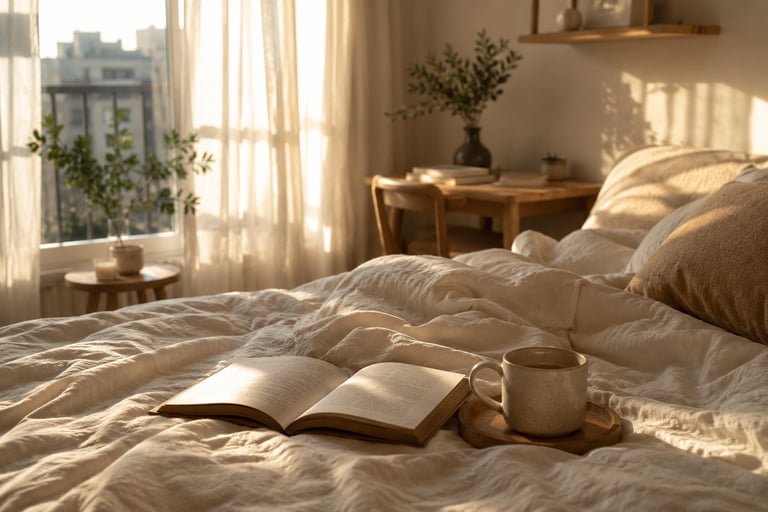
a coffee mug left beside a book
sunlight hitting linen curtains
soft creases in bedding
worn wood textures
These details create emotional warmth. They remind us the space is lived in. Human. Real. Perfection often creates tension. Calm creates comfort. And when you begin designing for calm instead of perfection, your relationship with your home softens. You stop obsessing over appearances. And start paying attention to how your space supports your daily life.
6. Why Neutral Tones Feel So Comforting
There’s a reason cozy spaces often lean toward warm neutrals. Beige. Sand. Warm whites. Soft sage. Earthy browns. Melted clay tones. These colours create visual calm. They reduce overstimulation. They reflect light softly. They help spaces feel open and cohesive. Small spaces especially, too many contrasting colours can create visual noise. A calmer palette allows the eye to rest. This doesn’t mean your home has to feel boring. Natural spaces become interesting through:
texture
lighting
natural materials
layered fabrics
subtle contrast
That’s why many cozy minimalist interiors feel rich even with limited colour. The warmth comes from atmosphere rather than decoration.
7. The Emotional Power of Morning Rituals
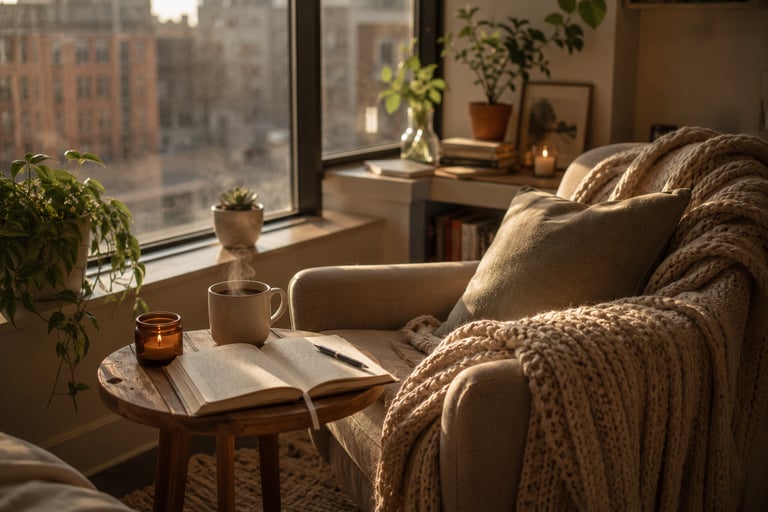
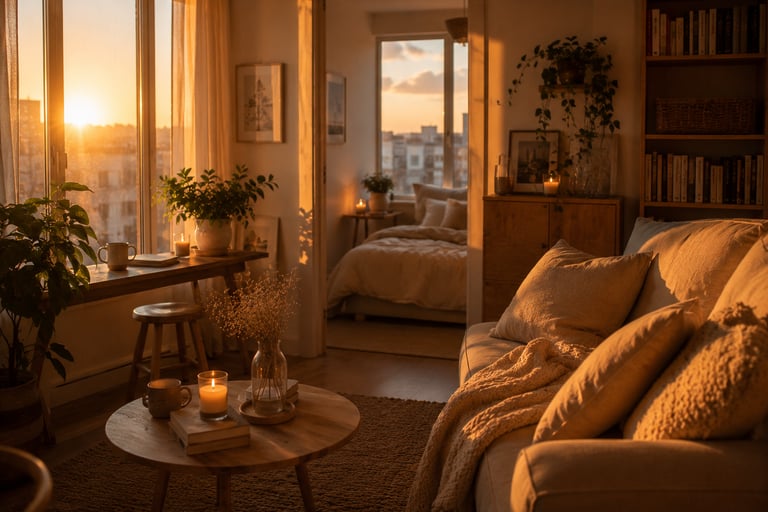
Some of the cosiest parts of a home aren’t physical at all. They’re ritualistic. Morning coffee by a sunny window. Lighting a candle before journaling. Making tea slowly. Opening curtains. Reading before bed. These small moments create emotional grounding. And interestingly, the design of your home either supports these rituals — or interrupts them. That’s why intentional cozy living focuses heavily on creating spaces for everyday moments. Not just aesthetics. A tiny coffee corner can completely transform a morning routine. A comfortable chair can encourage quiet reading. Warm bedside lighting can improve evening relaxation. When your environment supports slower rituals, life begins to feel less rushed. That’s one reason cozy design is so connected to emotional well-being. I encourages presence.
Small-Space Apartment Finds
The best small-space furniture works quietly in the background while making daily life feel easier. Storage ottomans help reduce visual clutter while still feeling cozy and soft within a room. Foldable dining tables are perfect for apartments where flexibility matters, and minimal floating shelves help create storage without making a space feel crowded. Large round mirrors can reflect natural light beautifully, while warm wood side tables help maintain a grounded and inviting atmosphere.
8. How to Make a Small Apartment Feel Bigger Emotionally
A space doesn’t need to be physically large to feel emotionally expansive. Some small apartments feel cramped. Others feel peaceful and breathable. The difference usually comes down to visual flow. Ways to create emotional spaciousness often come down to simplicity and visual flow. Keeping surfaces visually calm helps reduce mental overwhelm and allows the room to breathe more naturally. Using fewer but more intentional pieces often creates far more peace than filling a space with unnecessary décor. Letting natural light move freely through the apartment, especially by avoiding heavy window coverings, helps small rooms feel brighter and softer throughout the day. A cohesive palette also plays an important role because visual consistency creates calm. Thoughtfully placed mirrors can reflect light and openness, making even compact apartments feel more expansive emotionally. Choosing furniture that fits the scale of the room prevents the space from feeling crowded, while maintaining clear walkways allows the entire apartment to flow more naturally and comfortably. Most importantly:
Avoid designing solely for storage. A room can be highly functional and still feel warm. That balance is the heart of cozy small-space living.
Cozy Van Life Essentials
In van life, small comforts become incredibly important. A compact pour-over coffee set can turn a simple morning into a grounding ritual, while rechargeable reading lights help create warmth and calm at night without harsh overhead lighting. Neutral duvet covers keep the space feeling visually soft and open, and foldable storage bins help maintain organization without taking up unnecessary room. Even simple wall hooks can make a van feel more intentional and functional when thoughtfully placed.
9. Cozy Van Life and the Beauty of Simplicity
Van life appeals to many people for reasons deeper than travel. It represents freedom. Simplicity. Intentionality. In a van, life becomes distilled. You keep only what matters. You become aware of routines. You appreciate small comforts more deeply. A warm blanket matters. A good cup of coffee matters. Morning sunlight matters. That’s why many van interiors focus heavily on atmosphere. Soft lighting. Natural textures. Warm wood. Natural bedding. Tiny rituals. Because in such a small space, emotional comfort matters enormously. A van can quickly feel chaotic. Or incredibly calming. The difference usually comes from intentional design. The best van spaces aren’t filled with stuff. They’re filled with feeling.
Storage Finds for a Calmer Home
Good storage should feel invisible rather than overwhelming. Under-bed storage containers help keep everyday items accessible without creating visual clutter, while woven baskets soften a room and add natural texture at the same time. Entryway storage benches are especially useful in small homes because they combine seating and organization effortlessly. Drawer organizers and minimal shelving units help maintain flow throughout the home, allowing spaces to feel calmer and easier to reset.
10. Hidden Storage Creates Visible Calm
One of the biggest secrets behind cozy minimalist spaces is simple:
Most things are hidden. Visual clutter creates stress. Even when we don’t consciously notice it. Shelves packed with objects. Messy counters. Overflowing baskets. Visible cords. These details create subtle tension. That’s why hidden storage feels emotionally calming. Under-bed drawers. Storage ottomans. Built-in benches. Woven baskets. Drawer organizers. These systems reduce visual noise. And importantly, they allow small spaces to remain functional without feeling crowded. Cozy design isn’t about owning nothing. It’s about creating visual softness.
11. Why Nature Makes Every Space Feel Better
Humans naturally respond to organic environments. That’s why natural materials feel comforting almost instantly. Wood. Stone. Clay. Plants. Linen. Cotton. Woven fibers. These textures soften modern spaces. They create grounding. They connect interiors to the outside world. This becomes especially important in urban apartments or small interiors. A few plants can completely shift a room emotionally. Warm wood textures can make minimalist spaces feel less sterile. Natural light can transform an entire atmosphere. Cozy spaces rarely feel disconnected from nature. Even when small. Even when modern. They usually contain reminders of the natural world.
12. The Rise of Slow Living
Part of the appeal of cozy homes comes from the larger slow living movement. People are becoming tired of constant speed. Constant notifications. Constant pressure to optimize everything. Slow living offers something different. More presence. More intentionality. More awareness. And home design plays a huge role in supporting this lifestyle. A rushed environment often creates rushed feelings, while a calm environment encourages slower rhythms and more mindful routines. That’s why cozy homes often prioritise:
soft lighting
uncluttered spaces
meaningful objects
natural materials
comfort-focused design
quiet corners
These choices subtly encourage rest. Not laziness. Rest. And increasingly, people are realising how important that is.
Bedroom Comfort Essentials
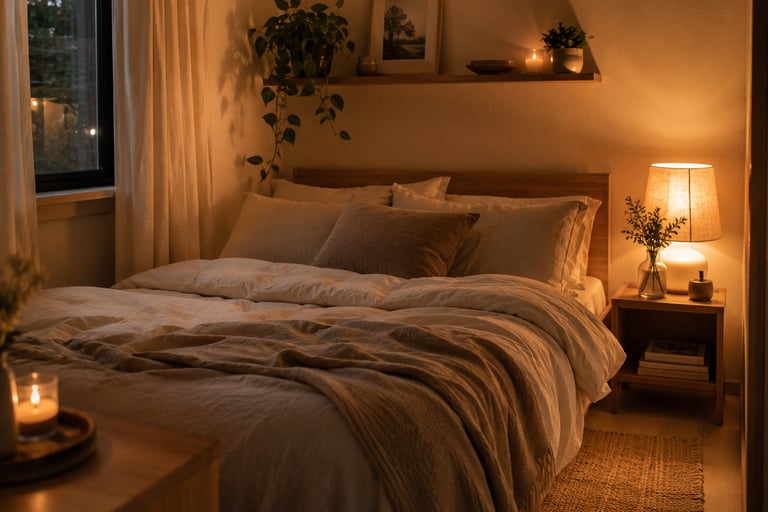
A bedroom feels most comforting when everything inside it encourages rest. Warm bedside lamps create softer evening lighting that helps the room feel peaceful and intimate, while linen duvet covers add texture and breathability without feeling heavy. Soft blackout curtains can improve both sleep and atmosphere, especially in apartments or tiny homes where outside light can feel intrusive. Minimal bedside tables and neutral throw pillows help keep the room visually calm while still feeling warm and personal.
13. Designing a Bedroom That Feels Like a Retreat
Bedrooms often become accidental storage spaces. Laundry piles. Extra boxes. Work materials. Random clutter. But emotionally, bedrooms function best when they feel restorative. This matters even more in small homes. Your bedroom should communicate:
You can slow down here. You can rest here. Ways to create this feeling:
layered bedding
warm bedside lighting
soft curtains
minimal visible clutter
calming textures
neutral tones
limited electronics
The emotional atmosphere matters more than size. A tiny bedroom can still feel luxurious emotionally. Because luxury isn’t always about expense. Sometimes it’s simply about peace.
14. The Difference Between Empty and Intentional
Minimalism sometimes gets misunderstood. People assume minimalist spaces should feel empty. But cozy intentional minimalism is different. It removes excess — not personality. A warm minimalist home still contains:
meaningful objects
comforting textures
emotional warmth
softness
lived-in details
The goal isn’t to erase life. I’s to remove over whelm. Tat distinction maters. Because empty spaces can feel cold. Intentional spaces feel peaceful. Ad that’s the balance cozy design tries to create.
15. Why Cozy Design Supports Emotional Well-Being
Our environments shape us constantly. Lighting affects mood. Cutter affects stress. Textures affect comfort. Clutter affects emotion. This means home design isn’t superficial. It's deeply psychological. A chaotic environment often creates mental exhaustion. A calm environment can help regulate the nervous system. That’s why cozy spaces feel restorative. They reduce friction. They soften over stimulation. They encourage slower rhythms. And while design alone can’t solve emotional struggles, supportive environments genuinely matter. Your home should help you exhale.
Everyday Cozy Living Finds
Often, the smallest comforts shape daily life the most. Handmade ceramic mugs can make morning routines feel slower and more intentional, while oversized sweatshirt blankets add warmth during quiet evenings at home. Wooden breakfast trays work beautifully for slow mornings in bed or cozy reading corners, and softly scented soy candles can completely change the emotional atmosphere of a room. Even simple journals can encourage moments of reflection and help create more mindful routines within everyday life.
16. Tiny Comforts Matter More Than Expensive Décor
One of the most beautiful parts of cozy living is that it rarely depends on luxury. Small comforts often matter more. A favourite mug. A soft blanket. Warm socks. Morning sunlight. A reading corner. God lighting. Clean bedding. These details shape daily experience far more than expensive statement pieces. Tat’s why cozy homes often feel deeply personal. They’re built around lived comfort rather than appearances. And in a culture obsessed with constant consumption, that mindset feels refreshing.
17. Creating Spaces That Encourage Presence
Many modern spaces unintentionally encourage distraction. Televisions constantly playing. Phones always nearby. Visual clutter everywhere. Cozy intentional spaces often encourage the opposite. Presence. Sillyness. Awareness. This doesn’t mean eliminating technology entirely. I means creating moments where you can reconnect with yourself. A reading nook. A morning coffee ritual. A softly lit evening routine. A peaceful dining area. These spaces create emotional pauses. And increasingly, those pauses feel valuable.
18. How to Curate Instead of Accumulate
Cozy homes usually feel edited. Not empty. Curated. Every object contributes something:
function
beauty
warmth
meaning
This mindset changes shopping habits too. Instead of buying quickly, intentional living encourages slower decisions. Questions like:
Will this improve how my home feels?
Does this fit the atmosphere I want?
Is this meaningful or temporary?
Will this add calm or clutter?
Over time, this creates homes that feel cohesive naturally. Not because they perfectly match. But because they reflect intentional choices.
19. Cozy Design Across Different Cultures
The desire for comfort exists across cultures. Different regions express coziness differently, but the emotional goal is often very similar. Scandinavian hygge focuses on warm lighting, softness, comfort, and togetherness, while Japanese wabi-sabi embraces simplicity, natural materials, and quiet imperfection. Cottage-inspired interiors tend to emphasise warmth, layered textures, and nostalgic comfort, whereas Mediterranean spaces often feel calming through natural light, earthy tones, and relaxed living. Although these aesthetics differ visually, they all prioritise emotional warmth, softness, and a deeper connection to everyday life. These styles differ visually. Bt emotionally, they all prioritise calm, comfort, and presence. Tat’s why cozy living feels universal. I reflects something deeply human.
20. Why Home Matters More Than Ever
As the world becomes louder and faster, people increasingly crave spaces that feel softerr. Nt performative. Not overwhelming. Not hyper-optimized. Jst calm. A home doesn’t need to be huge, perfect, or designed to impress anyone. What matters more is whether it supports your life emotionally. A comforting home helps you rest, slow down, and feel grounded even when the outside world feels overwhelming. That’s what cozy intentional design is really about. Not trends. Not aesthetics. Not perfection. But creating spaces that make everyday life feel more human.
Conclusion: Designing a Life That Feels Softer
At its core, cozy small-space living isn’t really about design. It’s about how you want to live. Do you want a life filled with visual noise and constant consumption?
Or do you want spaces that help you breathe a little deeper?
A cozy home won’t solve every problem, but it can quietly support you through warm lighting, softer mornings, intentional simplicity, and spaces that feel grounding instead of overwhelming. Those details may seem small individually, but together they shape how everyday life feels. And perhaps that’s why cozy living resonates so deeply now. Because people aren’t just searching for beautiful homes. They’re searching for peace. For slowness. For comfort. For belonging. And sometimes, those feelings are found most clearly in the smallest spaces of all. A tiny apartment. A warm reading corner. A softly lit bedroom. A van parked beside the ocean. Not because those spaces are large. But because they’re intentional. Because they hold warmth. Because they make life feel softer. And in a world that often feels overwhelming, that kind of comfort matters more than ever.